

The Future of Cooling: Shaping the Next Century of Intelligent Indoor Climate Solutions
- Theme
- People
- Reading time
- 12 minutes
- Published
- By
- Sue Varley
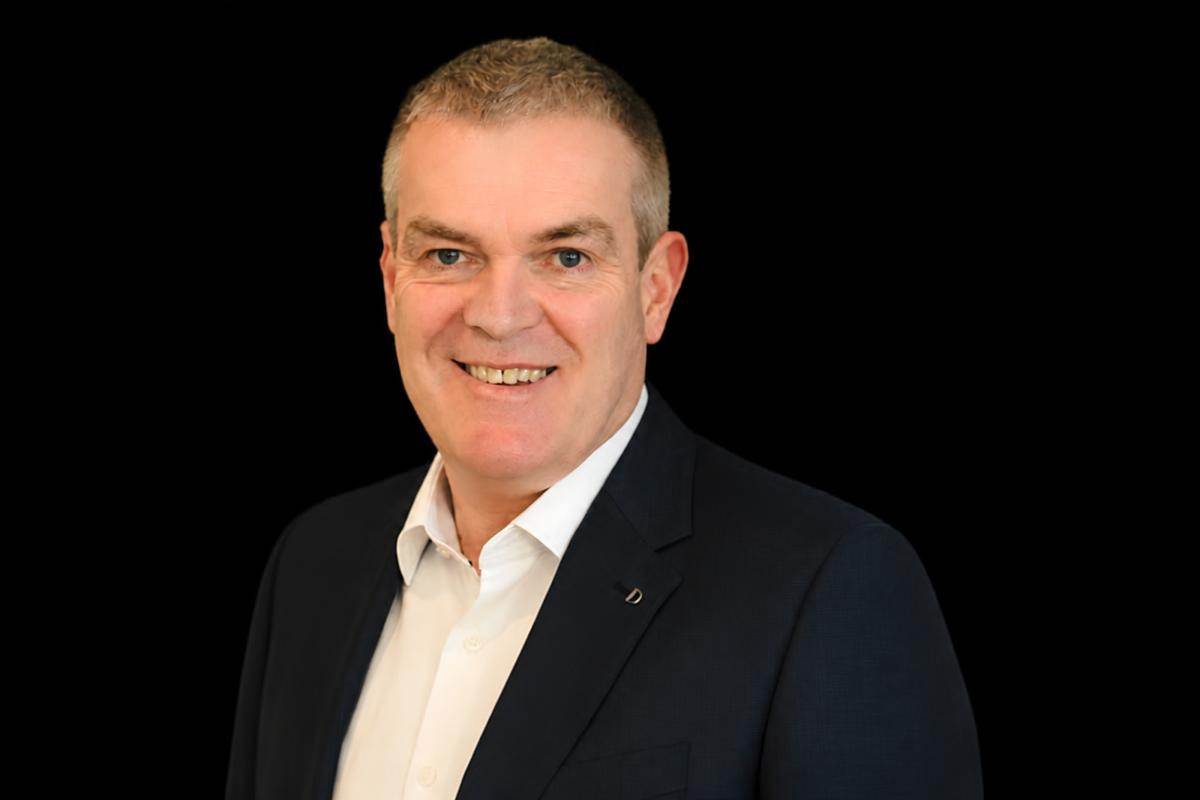
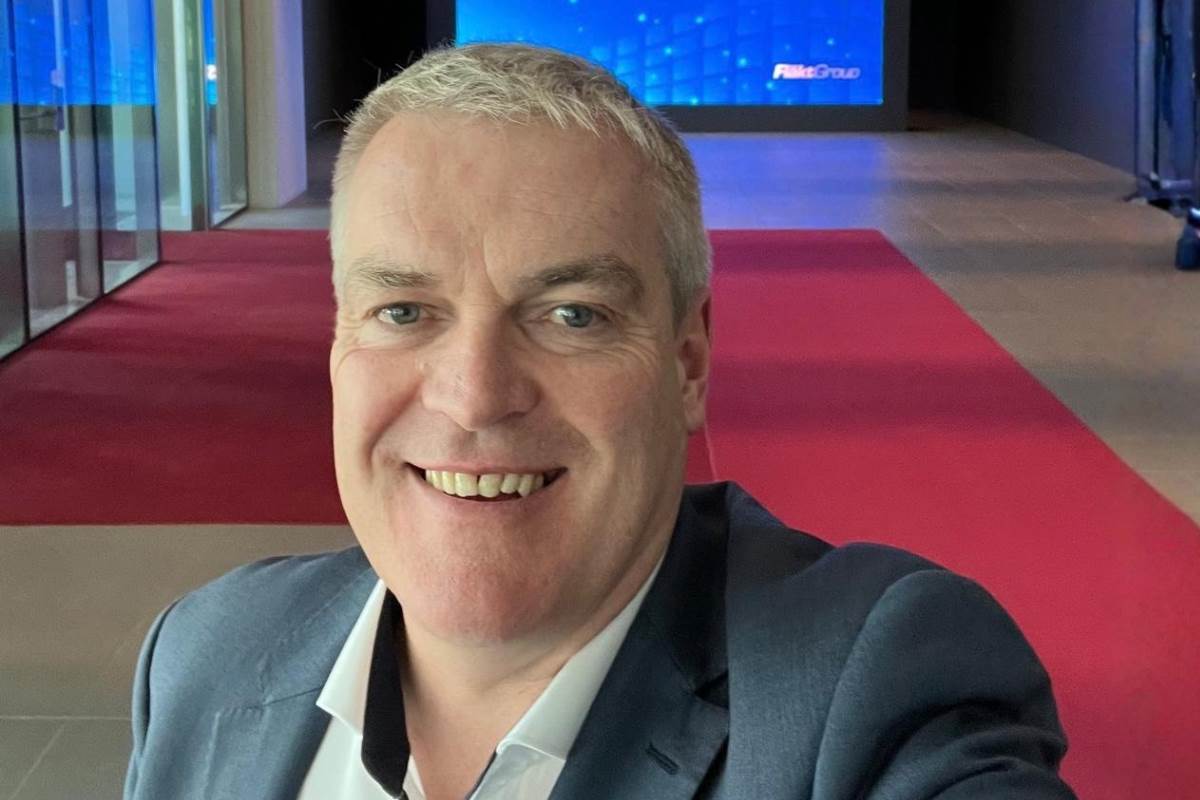
As FläktGroup celebrates 100 years in the HVAC industry, CEO David Dorney is firmly focused on what comes next. For him, the future of cooling is not simply about technological evolution. It's about helping customers navigate a rapidly changing world shaped by artificial intelligence, increasing energy demands and the urgent need to reduce carbon emissions.
Navigating a New Era of Cooling and Building Performance
As FläktGroup looks beyond its 100th year, CEO David Dorney reflects on the trends reshaping the HVAC industry. From AI-driven data centres and intelligent cooling systems to sustainability, retrofit strategies and heat recovery, he shares his perspective on the opportunities and challenges ahead, and the role innovation, collaboration and adaptability will play in shaping the future.
Key insights at a glance
As he reflects on the future of cooling, sustainability and indoor climate solutions, Dave highlights several themes he believes will shape the industry over the coming decade:
- Cooling is becoming a strategic enabler of business performance and sustainability
- Hybrid cooling architectures will play an important role in supporting AI-driven computing environments
- Modernisation and retrofit programmes can help improve efficiency while extending asset life
- Heat recovery technologies are creating new opportunities to maximise the value of thermal energy
- Future success will depend on combining technological innovation with collaborative, adaptable organisational cultures.
In this article:
- Cooling Becomes a Strategic Business Enabler
- Understanding the Impact of AI on Cooling Infrastructure
- Putting Sustainability at the Heart of Innovation
- Solving Customers' Biggest Challenges Through Modernisation
- Investing in the Future of Mission-Critical Cooling
- Creating a Circular Thermal Economy
- Building a Culture Ready for the Future
- Looking Ahead to the Next 100 Years
Cooling Becomes a Strategic Business Enabler
"The cooling industry is undergoing one of the most significant transformations we've seen in decades," says Dave. "Historically, cooling has largely been viewed as a utility operating in the background. Over the next five to ten years, that will change. Cooling will become a highly visible and strategic part of how organisations operate, grow and achieve their sustainability goals."
Dave believes cooling is evolving from a hidden utility into a strategic business consideration.
A major driver of that change is the unprecedented growth of AI infrastructure. The computing power required to support next-generation AI applications is placing enormous demands on data centre operators, creating thermal challenges that traditional cooling approaches can no longer address on their own.
Understanding the Impact of AI on Cooling Infrastructure
The rise of artificial intelligence is fundamentally changing cooling requirements. High-density computing environments generate significantly greater thermal loads, creating challenges that traditional cooling approaches cannot solve alone.
"We're already seeing the industry move beyond purely air-based cooling systems," he explains. "The future will be built around hybrid architectures that combine air and liquid cooling technologies. Direct Liquid Cooling Solutions and advanced Coolant Distribution Units are becoming essential solutions for managing the heat generated by high-density computing environments."
Rather than replacing existing systems entirely, many organisations are expected to implement hybrid cooling architectures that combine established air-based technologies with liquid cooling solutions.
Hybrid cooling approaches will increasingly support the next generation of AI-driven infrastructure.
At the same time, intelligent controls, connected systems and AI-driven optimisation are becoming increasingly important in improving efficiency and performance.
"Smart technologies, AI-driven optimisation and connected systems will become standard across the industry," says Dave. "These capabilities won't be optional. They'll be critical for driving efficiency, improving performance and supporting decarbonisation efforts."

Putting Sustainability at the Heart of Innovation
As customer expectations evolve, sustainability is increasingly influencing every stage of building design, operation and investment decision-making.
"For us, sustainability runs through everything we do. Our customers are under pressure to reduce energy consumption, lower emissions and comply with increasingly demanding regulations, all while maintaining high levels of performance. Our job is to help them achieve that balance."
The challenges facing customers today are significant. Rising energy costs continue to impact businesses across every sector, while ageing infrastructure often struggles to meet modern operational and environmental requirements.
"Buildings account for around 31% of global CO₂ emissions, and HVAC systems represent a substantial proportion of the energy consumed within them," he says. "That creates both a challenge and an opportunity. Through highly engineered solutions, advanced controls and intelligent system design, we're helping customers significantly reduce energy demand while improving indoor environmental quality."
For Dave, sustainability is no longer a separate initiative. It is becoming a fundamental requirement for customers worldwide.
Solving Customers' Biggest Challenges Through Modernisation
Many organisations are also grappling with outdated mechanical systems that can be costly to maintain and inefficient to operate. Rather than requiring complete replacement, FläktGroup is increasingly helping customers modernise existing assets through targeted retrofit programmes.
"Modernisation allows customers to unlock significant efficiency gains while extending the life of existing infrastructure," Dave explains. "It's often one of the fastest and most effective routes to reducing both operating costs and carbon emissions."
Modernisation and retrofit programmes can often deliver meaningful environmental and operational improvements without the disruption of complete replacement.
The same principle applies within the rapidly expanding data centre sector. As demand for AI-powered computing accelerates, cooling is becoming one of the most critical considerations for operators around the world.
Investing in the Future of Mission-Critical Cooling
As AI adoption accelerates and demand for high-performance computing continues to grow, investment in advanced cooling technologies is becoming increasingly important. Meeting future cooling requirements requires not only innovation, but also the manufacturing capabilities and engineering expertise needed to support customers at a global scale.
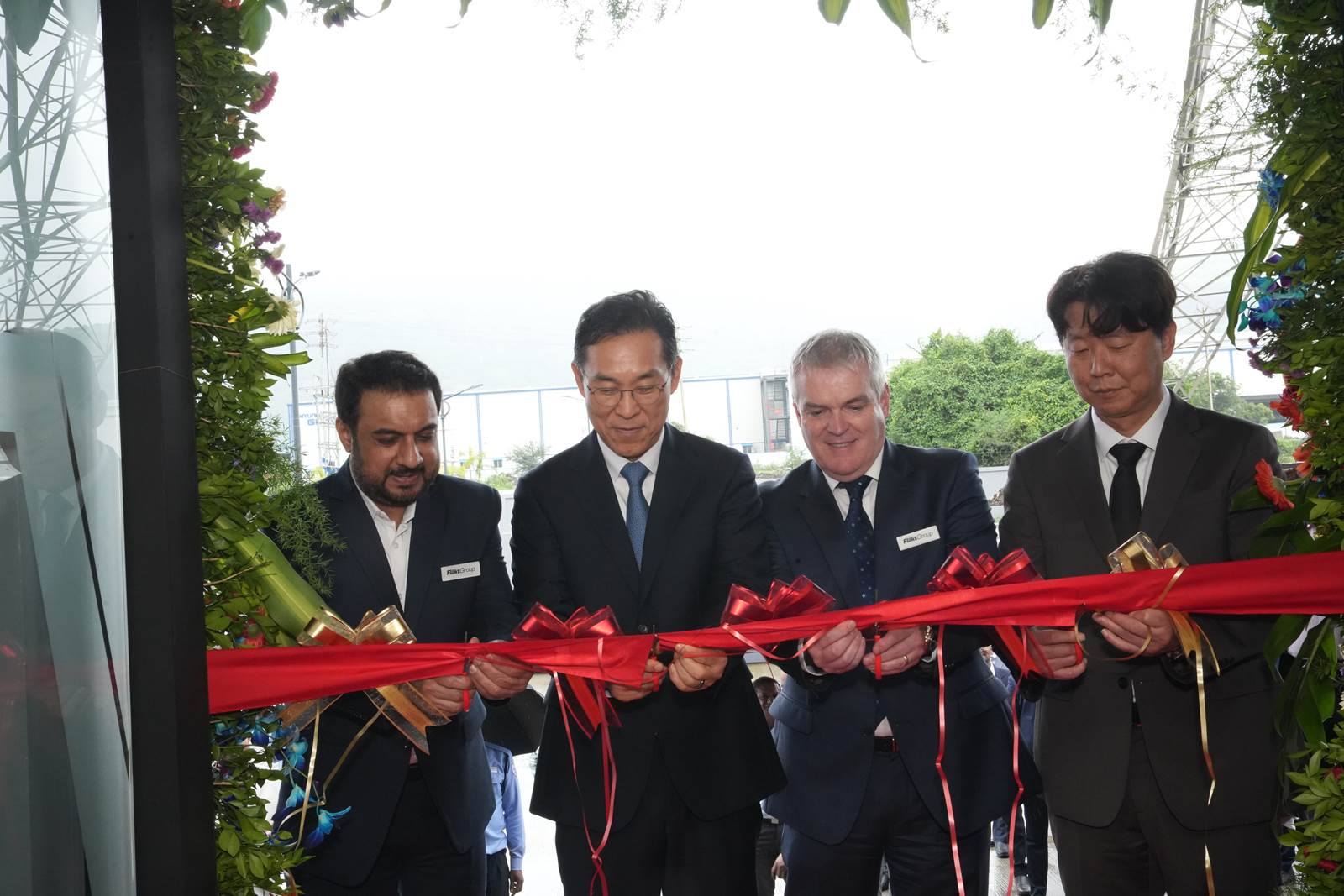
"We've made substantial investments in our mission-critical cooling portfolio because we recognise where the market is heading," he says. "The opening of our new manufacturing hub in Pune, India, is just one example of how we're scaling our capabilities globally to support increasing demand for advanced cooling technologies."
Alongside operational challenges, Dave has seen a fundamental shift in how customers evaluate purchasing decisions.
"Sustainability has moved from being a consideration to being a requirement," he says. "Customers are looking far beyond initial purchase costs. They're assessing long-term energy efficiency, lifecycle performance, carbon impact and future regulatory compliance. Increasingly, the most sustainable solutions are also delivering the strongest business case."
Creating a Circular Thermal Economy
For Dave, the HVAC industry's wider role in tackling climate change extends beyond efficiency improvements alone. He believes the sector must play a leading role in creating what he describes as a "circular thermal economy."
"For many years, the industry operated on a relatively linear model. We conditioned spaces and released excess heat as waste. Today, we're increasingly recognising that heat is a valuable resource."
Heat recovery technologies are enabling organisations to capture thermal energy that would otherwise be lost and repurpose it for heating applications elsewhere. Whether supporting district heating networks, commercial buildings or industrial processes, these solutions have the potential to reduce dependence on fossil fuels while maximising energy efficiency.
Viewing heat as a resource rather than waste creates new opportunities for both sustainability and performance.
"When we start viewing heat as an asset rather than waste, the opportunities become incredibly exciting," says Dave. "As an industry, we have a genuine opportunity to contribute meaningfully to global decarbonisation efforts while helping customers improve performance and reduce costs."

Building a culture ready for the future
Delivering on those ambitions requires more than technology. It also requires the right culture and mindset across the organisation.
"The pace of change in our industry means we need to be adaptable," he says. "We need people who are curious, collaborative and open to new ways of thinking."
As part of Samsung Electronics, FläktGroup operates within a truly global organisation, creating opportunities for expertise, innovation and collaboration across different markets and cultures.
"Cross-functional and cross-cultural collaboration is incredibly important. The best solutions often emerge when diverse perspectives come together. Equally important is speed. Customers expect innovation at a much faster pace than they did even a few years ago, so we need the agility to listen, learn and respond quickly."
For Dave, future success will depend as much on culture and adaptability as it does on technology.
Looking Ahead to the Next 100 Years
While FläktGroup's centenary provides an opportunity to reflect on a century of innovation and achievement, Dave sees it primarily as a moment to look forward.
"A hundred years is a remarkable milestone, and we're incredibly proud of our heritage. But history only matters if it helps you stay relevant and continue moving forward."
Looking ahead, he is clear about the company's direction.
"Our customers and partners should expect a business that continues to innovate, continues to invest and continues to challenge itself. Together with Samsung Electronics, we're accelerating our transformation through digitalisation, sustainability and next-generation cooling technologies."
He concludes, "We'll always build on the expertise that has made FläktGroup a leader in air movement and ventilation, but our ambition is much bigger than that. We want to help shape the future of intelligent, sustainable indoor climate solutions and remain a trusted partner for our customers for the next 100 years and beyond."
To learn more about FläktGroup's 100-year history click the link below: