
Beyond Efficiency: Rethinking Sustainability in Cooling
- Theme
- People
- Reading time
- 8 minutes
- Published
- By
- Sue Varley
As demand for cooling grows, sustainability is becoming increasingly important across the entire product lifecycle. Jekaterina Lindberg, Global ESG Director at FläktGroup, explores how lifecycle thinking can help customers navigate changing regulations, environmental expectations and operational demands.
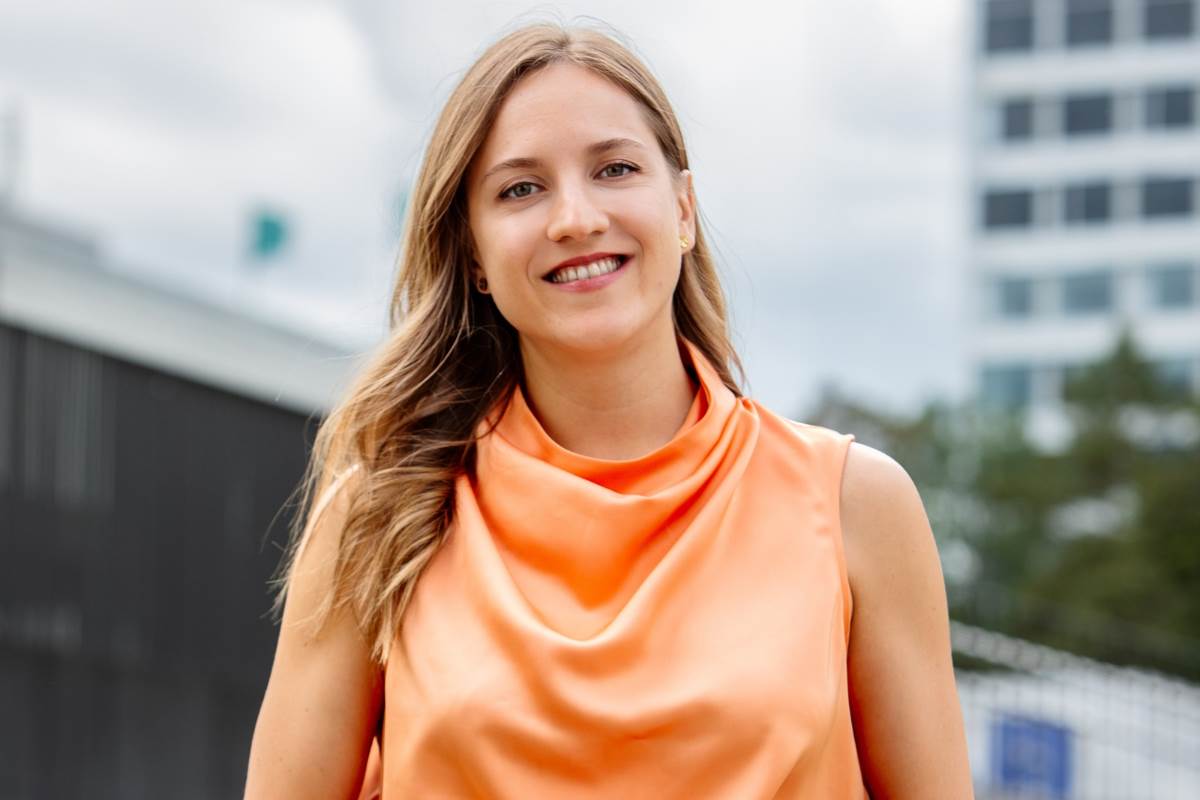
Sustainability at the Heart of the Future of Cooling
As demand for cooling continues to grow, Global ESG Director Jekaterina Lindberg reflects on the role sustainability will play in shaping the future of the HVAC industry.
From evolving regulations and lower-impact refrigerants to embodied carbon, circularity and lifecycle thinking, she shares her perspective on the challenges and opportunities ahead, and how FläktGroup can help customers navigate an increasingly complex sustainability landscape.
Key insights at a glance:
As she looks at the future of sustainability within cooling and HVAC, Jekaterina highlights several areas that will increasingly shape the industry:
-
Sustainability requirements are becoming an increasingly important influence on HVAC design, investment and decision-making
-
Lower-impact refrigerants, embodied carbon and circularity will be key areas of focus for the industry
-
Lifecycle thinking can help organisations understand environmental impacts beyond operational energy consumption
-
Modernisation, maintenance and optimisation can help extend product lifecycles and improve performance
-
Greater access to sustainability data will be increasingly important in helping customers make informed decisions
-
Healthy indoor environments and climate resilience are important parts of the wider sustainability conversation
In this article:
- Sustainable Cooling in a Changing World
- Sustainability as a Business Driver
- Navigating a Rapidly Changing Sustainability Landscape
- Turning Sustainability Strategy into Everyday Action
- Helping Customers Work Towards Their Climate Goals
- Building Healthier and More Resilient Communities
- Looking Ahead: Making Sustainability Measurable
Sustainable Cooling in a Changing World
Rising temperatures, continued urbanisation and growing demand for digital infrastructure are changing the role cooling plays in modern society.
From hospitals and schools to data centres and advanced manufacturing facilities, reliable cooling and air movement technologies support environments and infrastructure that people increasingly depend upon.
As Jekaterina explains, "Cooling is no longer a comfort product, it is a necessity."
The reality of a warming climate means demand for cooling solutions will continue to grow. At the same time, air movement and cooling technologies are supporting wider societal and technological transitions, including electrification, life sciences, urban development and the rapid expansion of AI-related infrastructure.
Against this backdrop, FläktGroup sees sustainable cooling as requiring a holistic view of a product's entire lifecycle, from design and manufacture through to operation, maintenance and eventual replacement.
The objective is not simply to deliver more energy-efficient products, but to create solutions that contribute to healthy indoor environments while balancing environmental, social and business considerations.

Sustainability as a Business Driver
As sustainability regulations and expectations continue to evolve, ESG is becoming an increasingly important influence on how the HVAC industry operates. New requirements are reshaping areas ranging from reporting and transparency to product design and material selection.
For Jekaterina, sustainability has an important role to play in translating wider climate ambitions into practical engineering decisions.
"Sustainability in the HVAC business is the mechanism by which climate and sustainability policies translate into concrete engineering requirements and solutions."
At FläktGroup, this means understanding the impact of products across their lifecycle rather than focusing on a single sustainability metric.
That includes considerations such as technical specification, long-term maintenance, material selection, operational performance, manufacturing and end-of-life.
Taking this broader perspective can also help FläktGroup support customers earlier in the decision-making process, helping them navigate increasingly complex sustainability requirements and balance competing priorities.
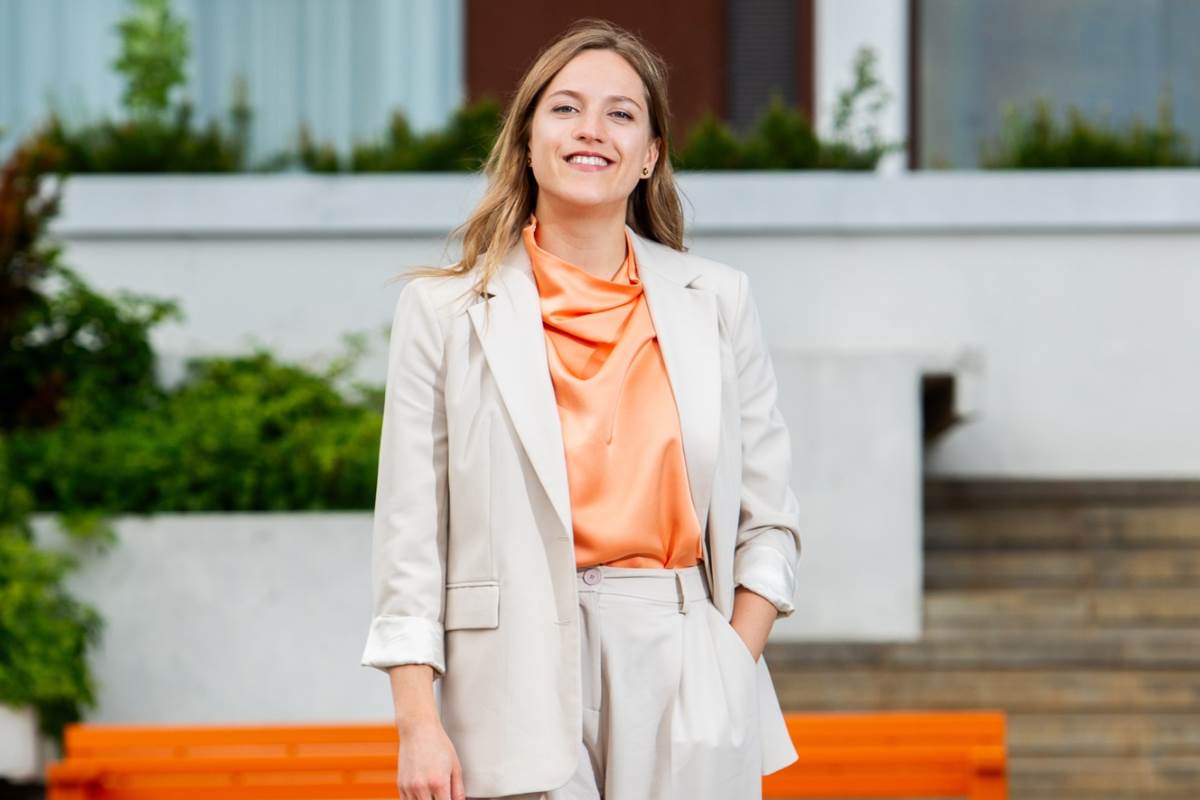
Navigating a Rapidly Changing Sustainability Landscape
The pace of change within sustainability and regulation presents both opportunities and challenges. FläktGroup has established climate targets and ambitions to increase its use of renewable energy, requiring continued investment and clear accountability.
At the same time, customers, regulators and investors are seeking greater transparency and increasingly detailed sustainability information.
These expectations are influencing product development too. Understanding factors such as material composition, chemical content and refrigerant selection is becoming increasingly important as regulations develop and customers seek greater visibility of product impacts.
Among the many ESG topics shaping the industry's future, Jekaterina identifies three areas as particularly significant:
- Lower-impact refrigerants are expected to represent an important transition for the HVAC sector. Alongside growing scrutiny of data centre sustainability, organisations increasingly need to consider factors including energy consumption, water use and refrigerant management
- Embodied carbon is another growing area of attention. As organisations develop a clearer understanding of their emissions, the challenge increasingly becomes identifying practical opportunities to reduce them
- Circularity represents a third major opportunity. Maintaining, retrofitting and optimising existing installations can help extend product lifecycles while improving their ongoing performance.
Turning Sustainability Strategy into Everyday Action
Developing an ESG strategy is only part of the challenge. Implementing it consistently across a global organisation requires sustainability to become relevant to the teams responsible for delivering it.
Different parts of a business naturally approach sustainability from different perspectives.
- Operations teams may focus on energy costs and safety.
- Sourcing teams consider supplier risks and regulatory requirements.
- R&D teams monitor emerging technologies and regulations.
- Commercial teams increasingly respond to customer requests for sustainability information and Environmental Product Declarations.
The role of sustainability is therefore partly to bring these different priorities together around common objectives.
That task is made more complex by the speed at which standards and regulations continue to develop.
As Jekaterina puts it, "The rules, standards and regulations are a moving train in which the tracks are being laid while we are already driving at full speed."
Organisations can therefore face the challenge of making long-term investment and product decisions while the regulatory landscape itself continues to evolve.
Helping Customers Work Towards Their Climate Goals
FläktGroup's sustainability ambitions are closely connected to those of its customers. The embodied carbon associated with products contributes to customers' upstream emissions, while operational energy consumption and refrigerant leakage can influence environmental performance throughout a building's lifecycle.
Reducing these impacts can therefore contribute to customers' own climate objectives.
However, achieving the right outcome is rarely about optimising a single measure. Energy recovery, fan power, refrigerant choice and overall system efficiency can involve competing considerations depending on the building, application and operating conditions.
This makes technical expertise and system-level thinking increasingly important in helping customers determine the most appropriate solution for their requirements.
The relationship also extends beyond installation. Long-term service, maintenance and smart monitoring can support product longevity and help maintain efficient system performance throughout the operational lifecycle.
Building Healthier and More Resilient Communities
The impact of sustainable cooling extends beyond carbon and energy.
Good indoor air quality contributes to healthy indoor environments for people living, working and learning in buildings. While these benefits can be difficult to quantify, indoor environmental quality remains an important part of overall building performance.
As cities face periods of extreme heat, cooling can play a critical role in helping essential buildings such as hospitals, schools and care facilities maintain appropriate indoor conditions.
At the same time, sustainable cooling involves genuine technical trade-offs. Increasing heat recovery efficiency, for example, can affect fan energy requirements, while the transition towards lower-GWP refrigerants introduces considerations around safety and performance.
Rather than looking for a universal answer, the objective is to understand these trade-offs and identify the most appropriate solution for each application.

Looking Ahead: Making Sustainability Measurable
Looking ahead, Jekaterina's vision is for FläktGroup to become increasingly data-driven in its sustainability decision-making and to provide customers with clearer information when comparing different solutions.
She sees products, digital technologies and services increasingly working together as part of end-to-end solutions capable of creating measurable customer value.
Ultimately, however, her priority is straightforward, "The number one priority is staying relevant for our clients."
As sustainability requirements continue to evolve across markets, industries and regions, understanding customers' challenges and translating them into practical solutions will remain essential.
By combining engineering expertise, innovation and lifecycle thinking, FläktGroup aims to support the transition towards more sustainable cooling while responding to the changing needs of customers and the environments they serve.