
Leading, Not Following: Why Sustainability Must Become Part of How We Think
- Theme
- People
- Reading time
- 8 minutes
- Published
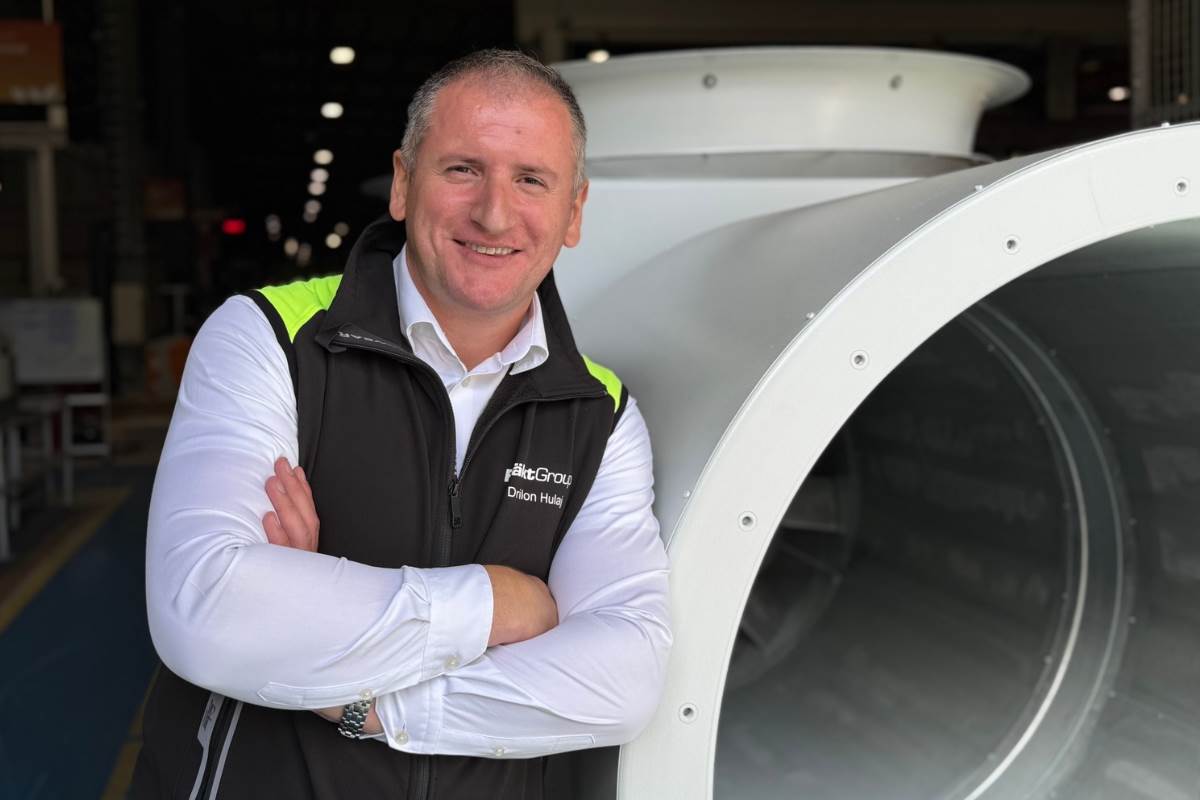
Drilon Hulaj, Chief Operations Officer at FläktGroup, explores why sustainability needs to move beyond regulatory compliance and become part of everyday manufacturing decisions, from waste reduction and smarter logistics to innovation and employee engagement.
Leading the Way Towards Sustainable Manufacturing
As environmental expectations continue to evolve, Drilon Hulaj, Chief Operations Officer at FläktGroup, explores why sustainability must become an integral part of how businesses operate, rather than simply a response to changing regulations.
From ambitious environmental targets and smarter manufacturing processes to innovation and collaboration across factories, he shares how FläktGroup is working to turn sustainability commitments into meaningful action. And to advance sustainable manufacturing across its operations.
Key insights at a glance:
As he looks towards the future of sustainable manufacturing, Drilon highlights several key areas that are shaping FläktGroup's approach to environmental responsibility and operational excellence:
- Acting ahead of regulation can help businesses prepare for changing sustainability expectations
- Waste sorting, supply chain localisation and shipment consolidation can support both environmental and operational goals
- Automation and shared innovation can help factories improve efficiency and reduce waste
- Data centre customers are increasingly considering suppliers' environmental credentials
- Sustainability targets need to become meaningful actions and KPIs across factory teams.
From Compliance to Action
Sustainability is often treated as a response to regulation, a box to tick or a challenge to manage. For Drilon Hulaj, Chief Operations Officer at FläktGroup, it should be something more: a way to build a business that is ready for the future rather than one that reacts only when change becomes unavoidable.
The HVAC industry is already experiencing this shift. Environmental legislation is encouraging the adoption of lower-impact refrigerants, customer expectations are changing and manufacturers face growing pressure to reduce their carbon footprint. Drilon believes that the businesses best placed to respond will be those that act early, rather than simply meeting requirements as they arise.
"The regulations will come eventually," he explains. "The question is whether we choose to act now or wait until we're forced to."
This thinking is shaping FläktGroup's approach to sustainable manufacturing. Instead of treating sustainability solely as a compliance requirement, the company is incorporating it into operational strategy, manufacturing decisions and future investments.
Turning Sustainability Targets into Action
In this video, Drilon explores how sustainability targets are being translated into practical KPIs across our factories. He discusses increasing the use of renewable energy, working towards zero waste to landfill and reducing Scope 1 and 2 emissions, as well as how collaboration with Samsung and our wider network can help share best practices and accelerate progress.
Making Sustainability Practical
FläktGroup's factories provide a practical example of sustainable manufacturing in action. Across the organisation, targets are in place to reduce environmental impact, alongside initiatives to minimise waste sent to landfill by prioritising recycling, reuse and recovery.
In practice, this means separating materials such as steel, aluminium and wood into different waste streams so they can be recycled more effectively. Beyond the environmental benefits, Drilon points out that better waste management can also make commercial sense.
"There is a misconception that sustainability costs more," he says. "In reality, businesses often pay to dispose of mixed waste, whereas properly sorted materials can retain value and return to the recycling chain."
It is a useful reminder that environmental and financial goals do not always compete. In some cases, adopting sustainable manufacturing practices can also improve the way a business operates.
The same principle applies to sourcing and logistics. FläktGroup is working to localise supply chains where possible, reducing dependence on long-distance transport while strengthening operational resilience. Transportation management systems are also being used to consolidate shipments and avoid unnecessary movements across the network.
Material innovation is another area of interest. Drilon points to developments in carbon-free steel as an example of how manufacturing could change. Although net-zero steel is not yet a standard industry offering, FläktGroup has supplied air handling units to organisations developing this technology, providing insight into a potentially important future market.
For Drilon, these efforts are only one part of the picture. Sustainable operations also depend on technology, efficiency and continuous improvement.
Building The Factories of The Future
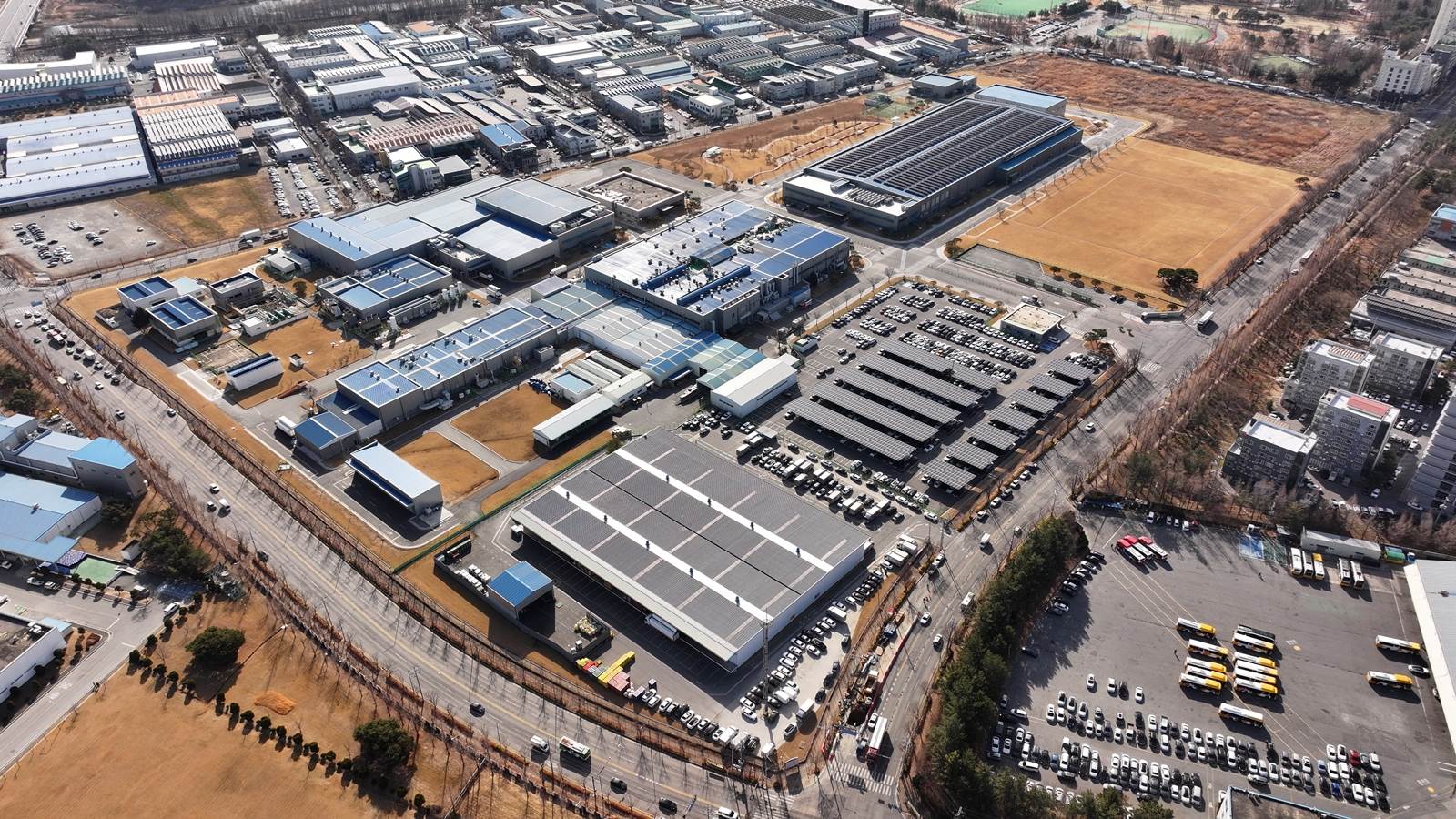
The new FläktGroup factory being developed in Korea illustrates how automation can support more sustainable manufacturing Designed to be one of the most automated facilities in the HVAC industry, it is expected to operate at automation levels significantly higher than many current manufacturing facilities. The aim is to improve efficiency and consistency while reducing waste, with lessons that could inform future factories across the business.
Other sites are also finding new ways to improve operations. In Istanbul, a local team has developed an AI-based tool to detect manufacturing defects. For Drilon, the value of such innovations grows when they are shared rather than confined to one location.
"If one factory develops something valuable, every factory should benefit from it," he says.
Responding to Changing Customer Expectations
Continuous improvement matters beyond the factory floor. In the data centre sector, for example, hyperscale operators are setting increasingly ambitious sustainability expectations for their supply chains. Technical performance and price remain important, but suppliers' environmental credentials are becoming a more significant part of purchasing decisions.
For HVAC manufacturers, this creates both challenges and opportunities.
Manufacturers that embrace sustainable manufacturing practices early may be better equipped to support customers' goals. Those that delay risk having to make changes more quickly as regulations and expectations develop.
Making this shift, however, involves more than new processes and technologies. It also requires a change in how people think and work.
Making Sustainability Everyone's Responsibility
Drilon believes sustainability needs to be everyone's responsibility. Business targets can sometimes remain at management level, with little connection to daily work on the factory floor. To make progress, employees need to understand how broader commitments relate to their own roles.
That means explaining not only what the targets are, but how people can contribute. Whether they are improving efficiency, identifying ways to reduce waste or sharing good practice, employees should be able to see how their actions make a difference.
Clear communication is therefore essential. Sustainability cannot be reduced to reporting results: it needs to be discussed, understood and reflected in everyday decisions across the organisation.
Looking Ahead: Leading, Not Following
Looking ahead, Drilon wants sustainability to sit alongside quality, safety and delivery performance as a core measure of business success. The question is how soon organisations choose to make it part of their operations.
Some businesses will wait for regulations to require change. Others will act now, investing in the technologies, processes and ways of working that could shape the next generation of manufacturing.
For FläktGroup, the ambition is clear. "We want to be a leader, not a follower."
Ultimately, the ambition goes beyond meeting individual environmental targets. It is to build a business that embraces innovation, acts with purpose and makes sustainable manufacturing a fundamental part of long-term success, rather than treating it as a separate initiative.