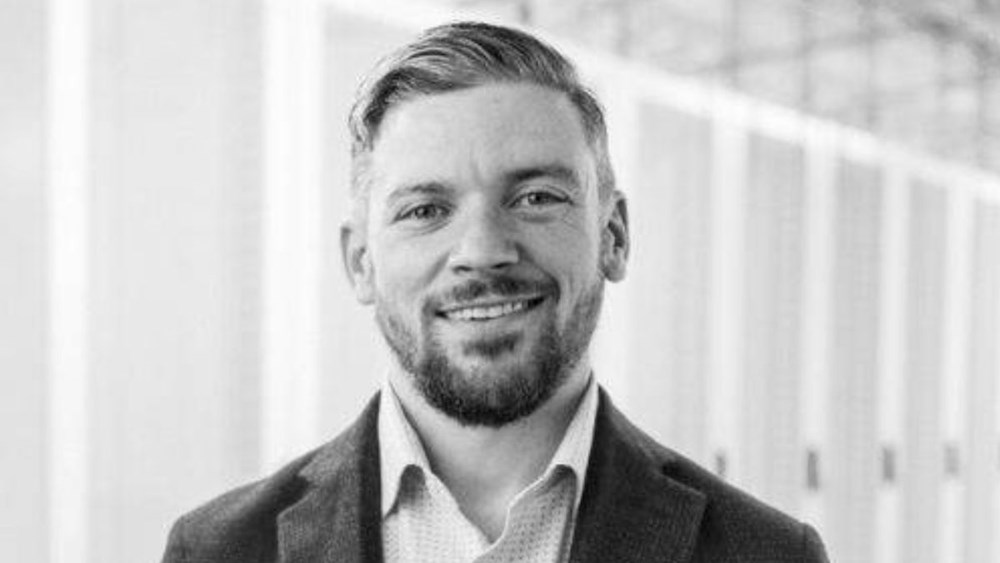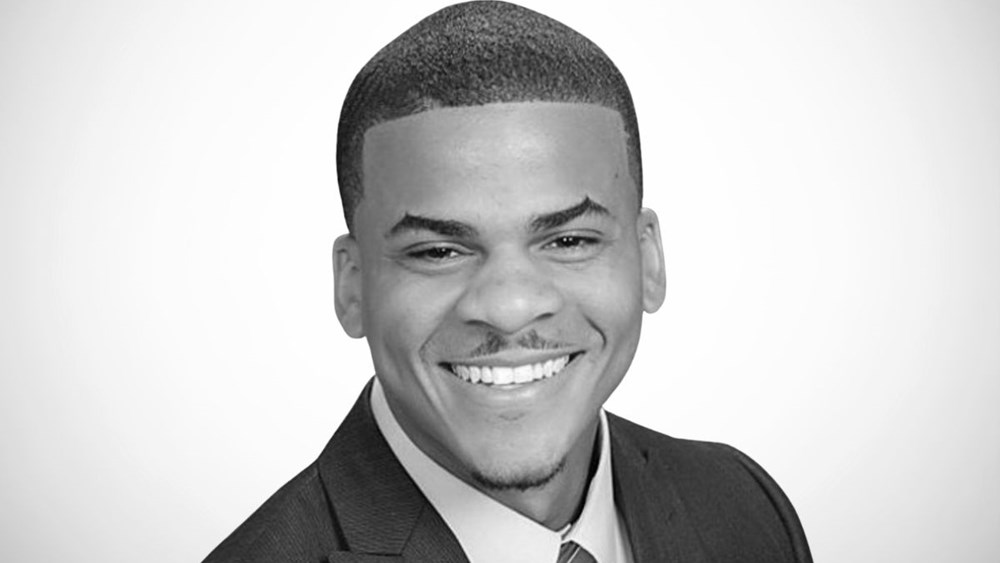



Meet Nathan
Business Development Executive - Data Centers
Nathan Burin: Bringing Technical Expertise to a Rapidly Evolving Data Center Market
Based on the US East Coast, Nathan Burin is helping strengthen FläktGroup’s position in the fast-growing data center market as Business Development Executive – Data Centers.
With a background spanning technical HVAC, commissioning and business development, Nathan brings a practical combination of engineering expertise and customer insight. His hands-on experience across complex cooling applications gives him a strong understanding of the challenges facing today’s data center customers.
Working closely with customers and colleagues across the business, Nathan supports the delivery of reliable, high-performance solutions in a market defined by rapid growth, innovation and evolving customer demands.
Q&A with Nathan Burin
Can you tell us about your current role and what you do at FläktGroup?
I’m a Business Development Executive focused on data centers across the United States, primarily on the East Coast. My role involves working closely with customers, understanding their needs, and helping position our solutions to support their growth. It’s a fast-moving sector, so no two days are ever the same.
What’s your career background and how did you get into the data center industry?
I actually came into the industry through a non-traditional route. I went to trade school rather than university and started out in HVAC technical work. Early in my career, I worked with CO₂ systems, refrigeration, helium recovery, and other technical processes, which gave me a strong foundation.
My first real exposure to data centers was in commissioning and working with manufacturers’ representatives. From there, I moved into a more hybrid sales and technical role, which was a great learning experience. I then joined Nortek in business development, where things really started to gain momentum for me. Over time, I’ve done a bit of everything, which has been invaluable.
You mentioned differences between the US and Europe - how does your experience help bridge that gap?
There are definitely differences in how the two markets operate - whether it’s customer expectations, specifications, or ways of doing business. Having worked across different roles and environments, I can help translate those differences and bring the best of both worlds together. That’s where I think I add value to the team.
How would you describe the team you’re part of?
We’ve got a really strong group with diverse backgrounds, and that’s one of our biggest strengths. I come from a service and technical background, Eric brings expertise in controls, Craig has extensive experience in representation and auxiliary engineering, and Paul has 20 years of diverse data center experience. Together, we cover all bases.
Everyone brings different ideas and perspectives, which creates a really collaborative and innovative environment. It’s been a bit of a wild ride so far, but I honestly think the best is yet to come.
What are you seeing in the data center market right now?
Growth is happening at a rapid pace. There’s no sign of it slowing down - especially with the rise of AI. Data centers are no longer just part of the tech industry; they’re now critical infrastructure. You could even compare computing power to a utility like electricity.
While a lot of business is now done online, I still value getting out and meeting customers face-to-face whenever possible. That personal connection still matters.
What do you see for the future of the industry?
I wish I had a crystal ball, but I’d say we’re looking at strong growth over at least the next five years. There are even conversations about data centers in space or on the moon - which sounds crazy, but maybe not as far off as we think.
AI has evolved incredibly quickly. In just the last year, it’s gone from being seen as a novelty to becoming a real superpower. That said, there will always be a place for the human touch alongside digital advancements.
What are the biggest challenges facing data center customers today?
Power is the number one concern globally. As long as there’s sufficient power available, the industry will continue to grow—but that’s a major constraint.
Automation is another key topic. I see it as a positive—it allows people to focus on more creative and strategic work, which can lead to new ideas and innovation.