
What We're Watching in Data Centre Cooling: 8 Trends Shaping the Future
- Theme
- Sustainable performance
- Published
- By
- Scott Willocks
AI is reshaping the data centre landscape at an unprecedented pace. Rising compute densities, power constraints and sustainability requirements are accelerating the adoption of liquid and hybrid cooling, smarter thermal management and new approaches to efficiency. Together, these trends are making cooling a critical enabler of deployable compute capacity, scalability and long-term success.
What We're Watching in Data Centre Cooling: 8 Trends Shaping the Future
Data centres are under unprecedented pressure. The rapid growth of AI workloads, increasing rack densities, sustainability targets and evolving regulatory expectations are forcing operators to rethink traditional cooling approaches.
Drawing on insights from several members of the FläktGroup data centre team, this article explores the challenges, opportunities and emerging trends shaping the industry today. A strength of our team is the willingness to challenge each other's perceptions, share experiences from different markets and disciplines, and work towards a consensus that moves us all forward.
Cooling has evolved from a supporting function to a strategic consideration that directly impacts AI readiness, deployable compute capacity, operational resilience and long-term scalability.
Key insights at a glance:
AI is reshaping the data centre landscape at an unprecedented pace. Rising compute densities, power constraints and sustainability requirements are accelerating the adoption of liquid and hybrid cooling, smarter thermal management and new approaches to efficiency. Together, these trends are making cooling a critical enabler of deployable compute capacity, scalability and long-term success.
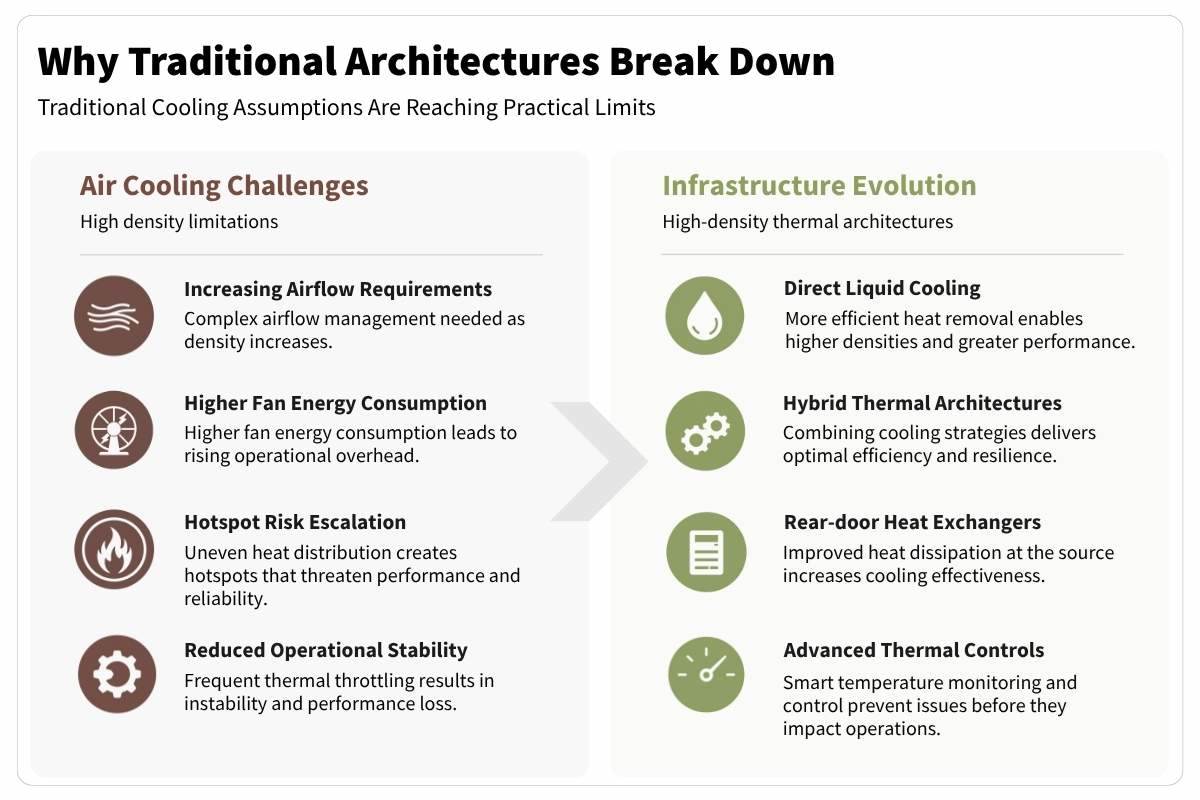
- Liquid cooling is becoming essential as AI-driven rack densities continue to rise, making traditional air-only cooling increasingly impractical for high-performance computing environments.
- Hybrid cooling architectures are emerging as the preferred approach, enabling operators to integrate liquid cooling into existing facilities without costly full-scale retrofits.
- Cooling is now a strategic business enabler, directly influencing deployable compute capacity, AI readiness, resilience, and long-term scalability rather than simply supporting IT infrastructure.
- Heat recovery and reuse are gaining momentum, transforming waste heat into a valuable resource that supports sustainability goals, regulatory compliance, and potential new revenue opportunities.
- Power and cooling must be designed together, as access to power, thermal management capabilities, and infrastructure flexibility increasingly determine data centre growth potential.
- Success depends on more than technology alone, with standardisation, supply chain resilience, manufacturing capacity, and execution expertise becoming critical factors in delivering AI-ready infrastructure at scale.
In this article:
- 1. Liquid Cooling Is No Longer Optional
- 2. Hybrid Cooling is the New Standard
- 3. AI's Thermal Demands Are Rewriting the Rules of Cooling
- 4. From Waste to Resource: The Rise of Heat Re-Use in AI Infrastructure
- 5. Power and Cooling Co-Design: From Engineering Consideration to 6. Strategic Imperative
- 6. Beyond PUE: The New Efficiency Metrics Defining AI-Ready Data Centres
- 7. Standardisation is Becoming a Strategic Enabler
- 8. Supply Chain Resilience, Manufacturing Footprint, and Project Execution Matter More Than Ever
- How FläktGroup Helps Customers Navigate These Changes
- Event Spotlight: Bridging Ambition and Execution
Here are the key trends we're watching and what they could mean for the future of data centre design and operation.
1. Liquid Cooling Is No Longer Optional
AI rack densities are now routinely exceeding 80-100kW with the highest density deployments already moving significantly beyond this. At these workloads, liquid cooling is rapidly becoming essential rather than optional.
Reflecting on the pace of change, Mohamed Ashok, Business Development Director, of FläktGroup notes: "It's the speed at which chip technology is evolving and the struggle to keep pace with the specific power and cooling requirements." He adds "If a site has been designed and built for 20MW power and respective cooling requirements, by the time the new chips are out, the same facility must have around 50MW."
This rapid increase in compute density is accelerating the shift towards liquid cooling technologies as operators seek to future-proof their facilities and support next-generation AI workloads.
2. Hybrid Cooling is the New Standard
Full facility retrofits of legacy infrastructure, from air to liquid, aren't always practical, and as a result hybrid environments are becoming the norm in data centres looking to support AI workloads.
Hybrid cooling environments are becoming the preferred approach for many data centres as they adapt to the demands of AI. Rather than undertaking complex and costly full-facility retrofits, operators are looking for ways to future-proof existing infrastructure.
As Mohamed highlights, the rapid evolution of chip technology is making it increasingly difficult to keep pace with changing power and cooling requirements, reinforcing the need for flexible, scalable cooling strategies. As a result, operators are under increasing pressure to design facilities that can adapt to future demands. As Mohamed notes, this challenge "translates to having to future-proof data centres to accommodate these changes, which is physically very challenging."
3. AI's Thermal Demands Are Rewriting the Rules of Cooling
Cooling systems are becoming significantly smarter as AI workloads introduce greater variability in power consumption and thermal demand. Continual monitoring of the IT workloads, more intelligent workload distribution, and automatic adjustment of cooling outputs and set points are now essential for maintaining efficiency, reducing energy waste, and minimising the need for on-site intervention.
Jonas Caino, Business Development Director of FläktGroup, observes, “Operators are working out how to support higher densities without losing resilience, how to bring air and liquid cooling together effectively, and how to make decisions today that will not box them in five or ten years from now."
Delivering this level of adaptability requires a holistic approach. Cooling technologies, controls, workload management and operational strategy must work together as a single system. This makes close collaboration with customers essential, ensuring that both current requirements and future growth plans are considered when designing solutions that remain effective throughout the lifecycle of the facility.
4. From Waste to Resource: The Rise of Heat Re-Use in AI Infrastructure
ESG targets and planning consents are now driving the requirement for data centres to integrate into heat recovery / heat re-use infrastructure. As AI adoption pushes cooling systems to operate at higher temperatures, the opportunity to recover and repurpose waste heat becomes more commercially and environmentally attractive.
This reflects a wider industry shift towards viewing heat as a strategic asset rather than a by-product. As Mohamed noted, "Our very own Jonas Caino made an insightful presentation on Heat as Strategy rather than just a problem that needs solving". Jonas reinforces this view, noting that cooling is now shaping "capital investment, operational resilience, sustainability targets, and AI readiness all at once."
Some widely known examples of heat re-use include the Stockholm Datapark, an initiative to establish data centres inside the city and utilise excess heat within the city’s district heating network. Heat recovery is evolving from a sustainability initiative into a commercial energy market where waste heat becomes a tradable asset.
5. Power and Cooling Co-Design: From Engineering Consideration to Strategic Imperative
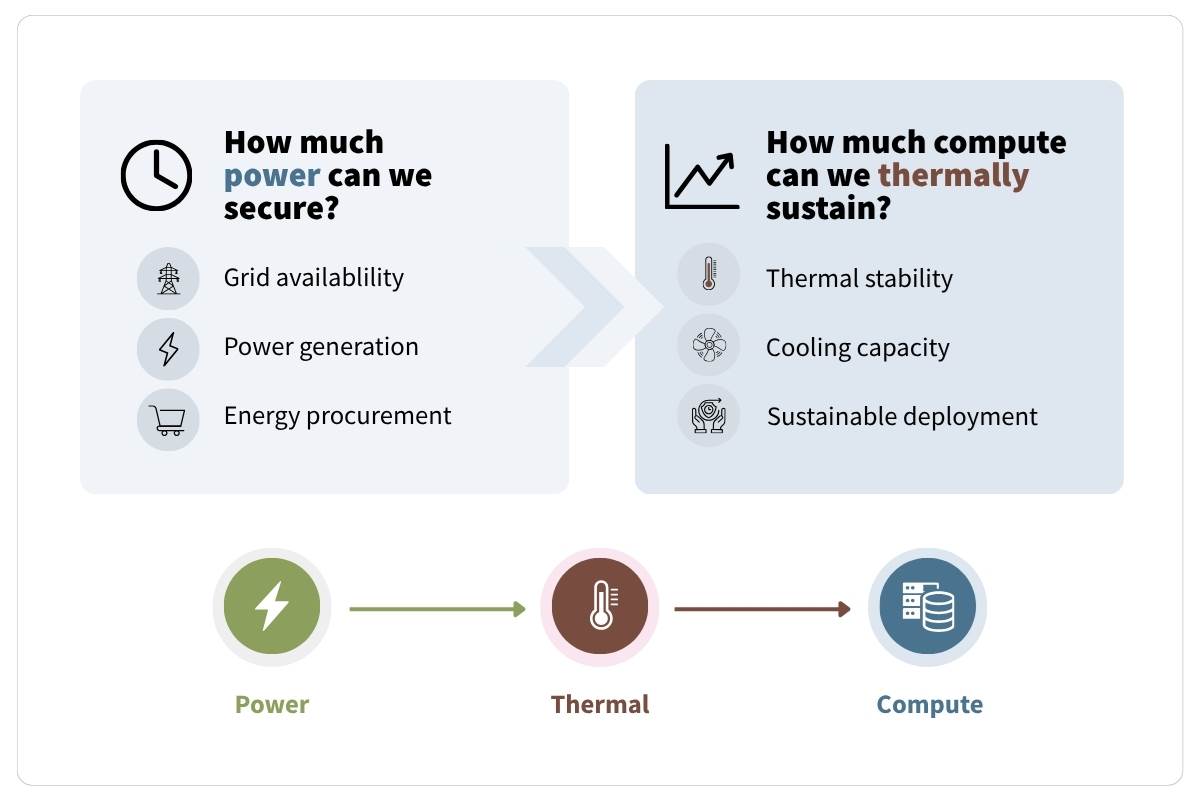
Power availability timelines now outweigh connectivity when it comes to site selection, and the cooling system design is now directly linked at a much earlier stage to the overall data centre design.
Jonas says “Power is still the headline topic, but far more of the discussion treated thermal management as a strategic issue rather than an engineering one. There is a growing recognition that cooling no longer supports the IT. Rather, cooling is increasingly deciding how much compute can be added to the data centre in the first place.”
This reinforces the growing need for power and cooling co-design to maximise deployable compute capacity while maintaining resilience, efficiency and future flexibility.
6. Beyond PUE: The New Efficiency Metrics Defining AI-Ready Data Centres
Efficiency metrics are moving beyond PUE with a greater focus on power to compute. Traditional metrics alone no longer fit the bill.
A technically efficient facility is not necessarily a productive one if power and cooling resources cannot be fully translated into deployable compute capacity. As Jonas points out, "Installed cooling capacity does not mean deployable compute capacity." This distinction is becoming increasingly important as operators seek to maximise the value of every megawatt available to them.
New performance indicators that consider power-to-compute efficiency, thermal capacity utilisation, carbon impact and overall operational effectiveness are coming into focus. As AI infrastructure continues to evolve, operators will increasingly be measured not only on how little energy is wasted, but on how effectively available power is transformed into business value and computing output.
EU regulation is becoming a significant driver of broader sustainability reporting. Under the Energy Efficiency Directive (EED), larger data centre operators are required to disclose information on energy performance, renewable energy consumption, water use and waste heat recovery. The result is a growing focus on transparency and environmental impact metrics that extend beyond traditional measures such as PUE.
Put simply, the industry is moving beyond measuring efficiency in terms of facility overheads and towards measuring the efficiency of the entire system - from grid connection to deployed compute. This is significant for cooling technologies and speed is of the essence to meet demand.
7. Standardisation is Becoming a Strategic Enabler
As AI infrastructure scales globally, operators are increasingly moving towards standardised reference designs and repeatable engineering solutions.
Rather than developing bespoke cooling strategies for every deployment, many are adopting standardised architectures that can be replicated across multiple campuses and regions. Standardisation reduces engineering complexity, shortens deployment programmes, simplifies commissioning and improves long-term operational consistency. It is becoming just as important as innovation in delivering AI infrastructure reliably and at scale.
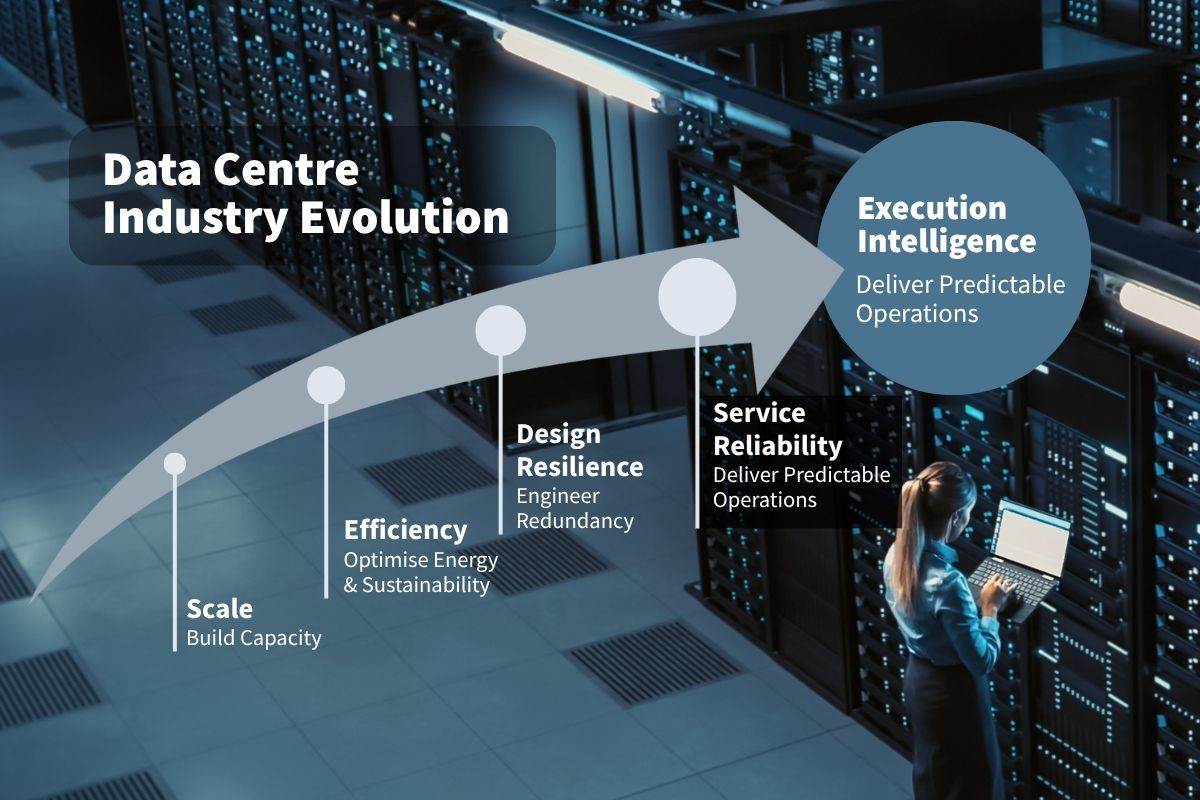
8. Supply Chain Resilience, Manufacturing Footprint, and Project Execution Matter More Than Ever
How quickly data centres can deploy and scale across multiple geographies under predictable and reliable cost models is becoming just as important as the cooling technology itself.
Michelle Meeder, Director Data Centre Global Accounts Execution, says “Data Centre delivery is under a huge amount of strain. AI-driven density, rising system complexity, compressed timelines and labour shortages are all converging at once. As this pressure builds, small deviations upstream create far bigger risks downstream. Flawless execution is mission critical. Resilience cannot wait until the end of a project; it must be embedded earlier.”
As AI-driven demand accelerates, operators are increasingly prioritising partners that can provide not only innovative cooling solutions, but also the manufacturing capacity, supply chain resilience and project execution capabilities needed to support rapid deployment and long-term growth.
As Mohamed explains: "Customers are looking for life-cycle partnerships that can keep pace with these evolving market requirements and help deliver end-to-end solutions."
The data centre industry is entering a new era where cooling is no longer a supporting system but a strategic enabler of AI growth. From liquid cooling and hybrid architectures to heat re-use, co-design and new efficiency metrics, operators are being challenged to rethink how infrastructure is designed, delivered and scaled. The organisations that succeed will be those that combine innovation with execution, ensuring today's decisions support tomorrow's demands.
How FläktGroup Helps Customers Navigate These Changes
At FläktGroup, we are proud to support customers through every stage of their data centre journey - from initial deployment through to large-scale hyperscale and AI infrastructure expansion. Our global team has played a key role in delivering and managing some of the world's largest hyperscale data centre projects, bringing together deep technical expertise, disciplined project execution, and hands-on support to help customers achieve their growth ambitions.
With our own network of highly trained FläktGroup service engineers operating in more than 20 countries, we provide responsive local support wherever our customers operate, ensuring reliability, continuity, and performance throughout the lifecycle of critical infrastructure.
Beyond project delivery, we remain actively engaged with the global data centre community. Our experts regularly participate in industry-leading events as speakers, thought leaders, and hosts of exclusive VIP gatherings across key data centre hubs worldwide. These events provide a platform for meaningful discussions, knowledge sharing, and collaboration on the challenges and opportunities shaping the future of the industry.
Event Spotlight
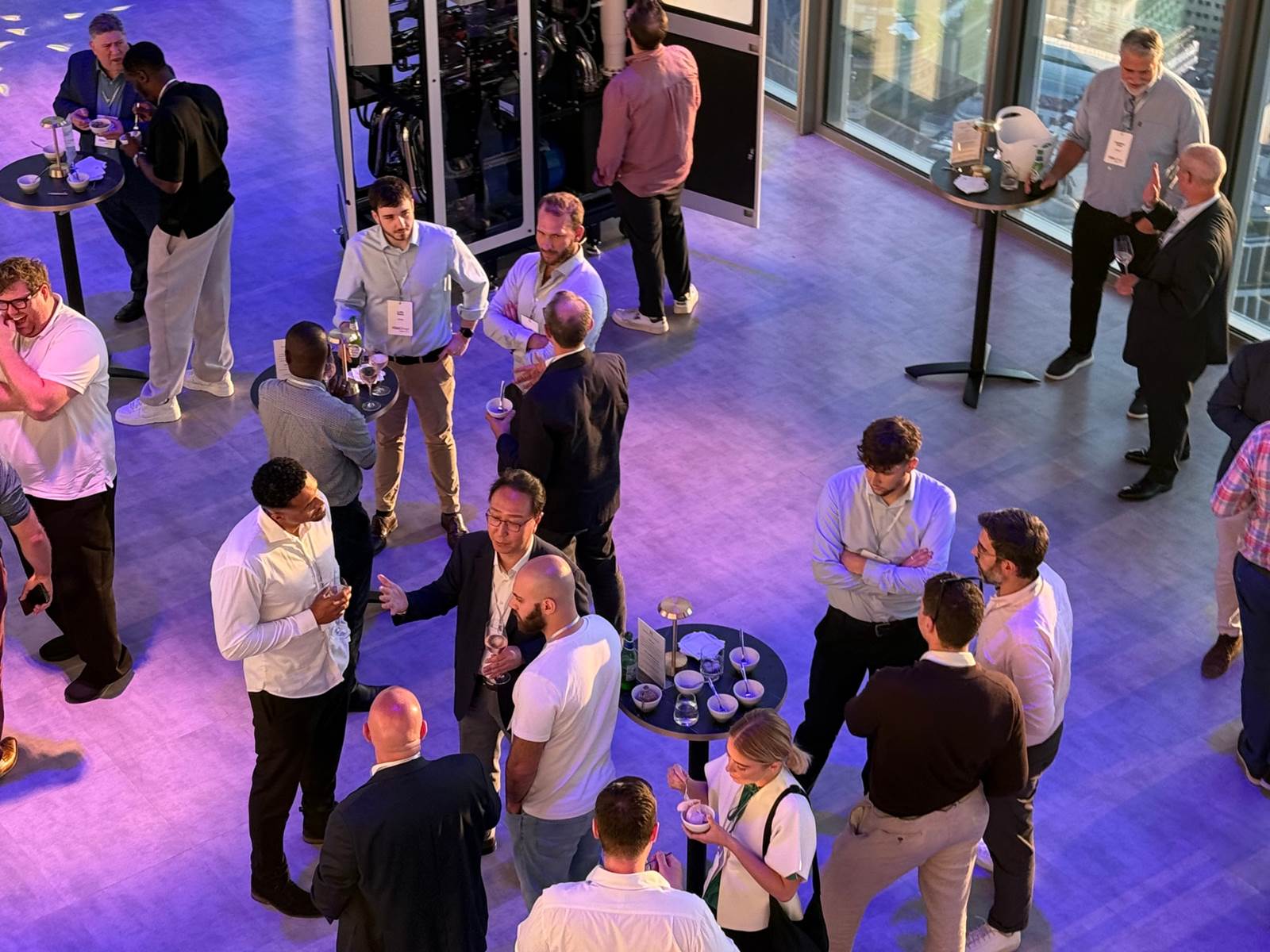
Bridging Ambition and Execution - Our VIP Data Centre event, built around the topic “Is it time to stop talking about the products?”, brought together consultants, end-users, and industry experts to discuss critical topics facing the sector, such as, how to turn growing industry ambition into successful project delivery.
FläktGroup CEO Dave Dorney opened the event by highlighting the widening gap between industry ambition and execution capability. Michelle Meeder then shared practical insights into building operational resilience and ensuring consistent delivery in increasingly complex project environments.
A standout moment was the expert panel discussion, moderated by Jonas Caino, which explored key questions facing the industry today.
The discussion generated valuable perspectives from across the data centre ecosystem, reinforcing the importance of collaboration, accountability, and execution excellence in delivering critical infrastructure at scale.