



Unseen Comfort – How HVAC Keeps Hotel Guests Happy
- Theme
- System personalisation
- Reading time
- 9 minutes
- Published
- By
- Tom Findley
Hotels promise effortless comfort the moment you step inside. That experience is carefully engineered. Temperature, humidity, airflow and noise must all be balanced across lobbies, guest rooms, restaurants, spas and more, all done around the clock. In episode 2 of CARE on Air, hosts Nadine Hessel and Silas Bäuerle explore what it takes to deliver that “just right” feeling, quietly and consistently, in one of the most demanding building types.

🎧 Listen to the Full Podcast Episode
This article shares just a brief glimpse into the insights, stories and perspectives explored in Episode 2 of our podcast. The full conversation goes much deeper. In the podcast our charismatic Service team duo Nadine and Silas unpack real-world scenarios, industry examples and personal experiences that bring these topics to life. If you’re interested in the people, challenges and innovations shaping modern HVAC, we highly recommend you follow and listen to our podcast today:
The Silent Expectations Behind Every Hotel Room
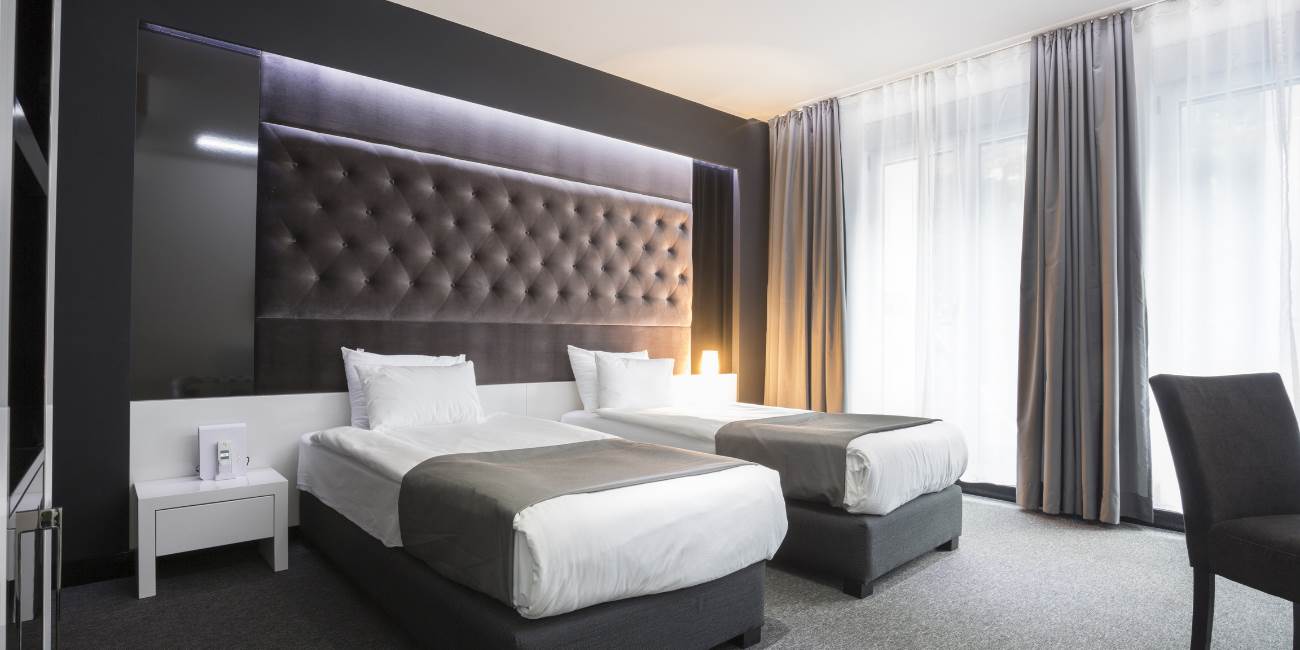
And relax, you’ve made it to the hotel. You’ve travelled far and you’re ready to chill out into your room, but little do you realise that behind the comfort in your room is a system that is working overtime for you.Most hotel guests never stop to praise perfect room conditions, but they will certainly notice when something feels off. A room that swings from too warm to too cold, or an air conditioner that hums just loudly enough to set your teeth on edge. What should be a restful stay turns into a hotel nightmare.
Upgrade, Don’t Always Replace
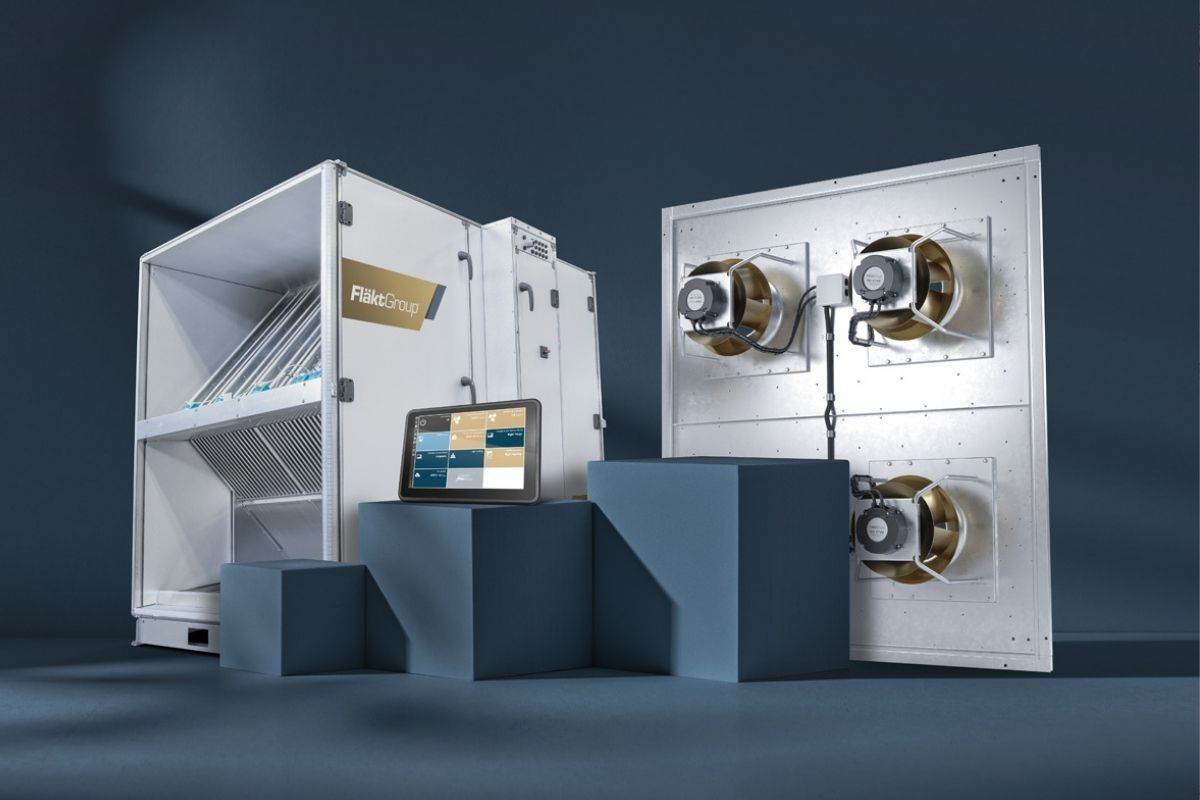
Not every improvement in comfort or efficiency requires a full system replacement. In many cases, targeted upgrades elevate performance while limiting disruption. Nadine emphasises how flexible such upgrades can be for hotel ventilation systems:
“If you have an old system, you can upgrade it… fans or heat recovery… improve energy efficiency… and enable controls without disturbing guests.”
Silas further reinforces the value of retrofitting ageing systems, something that hotels often face as technology improvements occur:
“You can bring in the digital functions… remote services available for the future—even for a unit that is 15 years old.”
These smart upgrades can help support sustainability goals, reduce energy consumption and unlock capabilities like remote monitoring, bring older hotel ventilation systems into the digital era.
Explore how our retrofit solutions help support HVAC system sustainability: