



Reimagining Ventilation: How integrated systems solve space, safety and sustainability challenges
- Theme
- System personalisation
- Reading time
- 6:00
- Published
- By
- Timo Kaasalainen
Buildings are becoming more compact, connected and compliance driven. Traditional HVAC systems are struggling to keep up. The challenge isn’t just about airflow – it’s about how to deliver fire-safe, energy efficient and space-saving ventilation that supports modern construction and sustainability goals.

Old ventilation design needs to change
In many buildings, ventilation is approached in a one product per situation, so a product for airflow, another for fire safety, a third for noise control, and then yet another for compliance. This isn’t beneficial to anyone and can lead to further trouble down the line. Integrated ventilation systems that combine VAV control, fire protection, noise reduction and automated testing are revolutionising the way we think about air management.
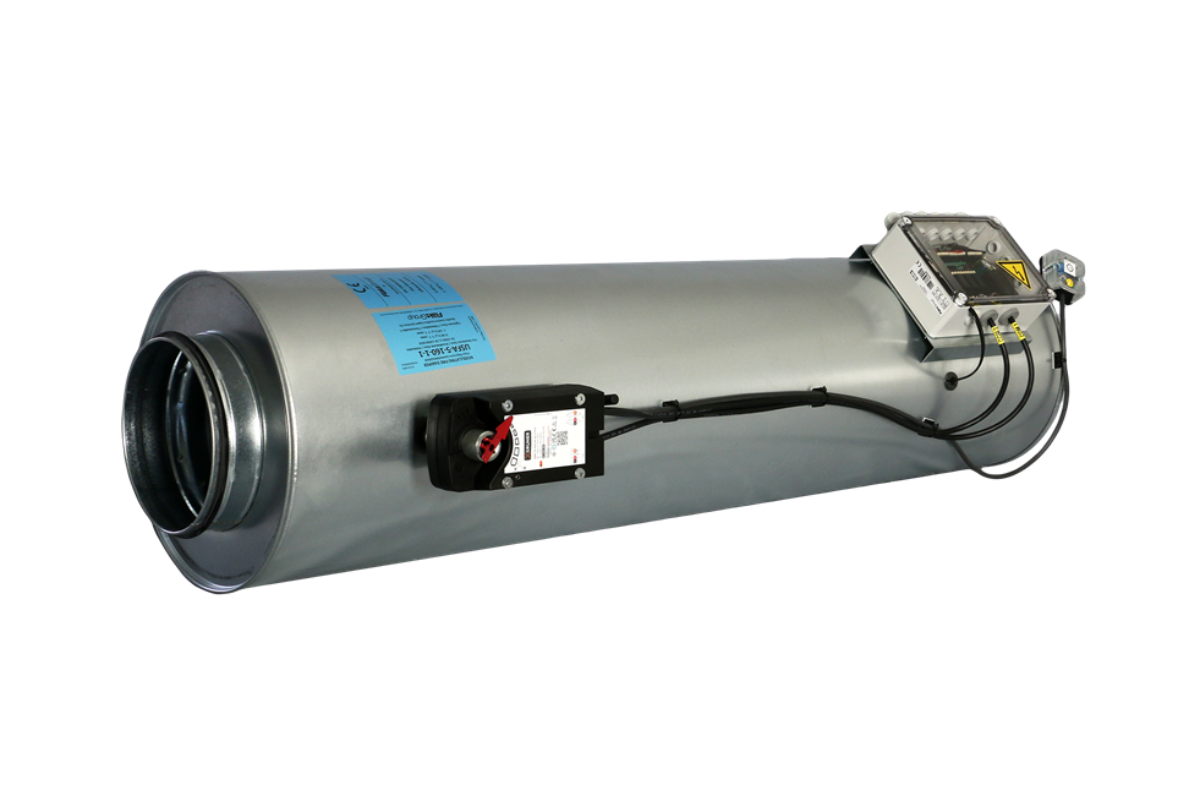
OPTIVENT® UltraSafe USFA – FIRE RATED VARIABLE AIR VOLUME DAMPER
A premium fire-rated variable air volume (VAV) damper engineered for maximum safety, energy efficiency, and precise airflow control.
Optivent UltraSafe ensures reliable airflow regulation and certified fire protection in critical applications such as hospitals, hotels, care homes and apartment buildings. With its fire-rated construction, low-leakage performance, and robust design, it delivers safe operation, regulatory compliance, and long-term value.
At the heart of Optivent UltraSafe is its USFA-certified fire protection, ensuring compliance with strict safety regulations without compromising airflow precision. Supporting both pressure-independent VAV and CAV control modes.
Key features of Optivent UltraSafe include:
- USFA-certified fire-rated damper for maximum protection
- Low leakage class for superior energy performance
- Pressure-independent control options
- Factory-fitted, BMS-ready controller
- Seamless integration with safety and ventilation monitoring systems.