




Environmental Product Declarations (EPDs)
Transparent, verified environmental data supporting sustainable design and smarter HVAC decisions.

Environmental transparency that supports green buildings, compliance and responsible design.


What is an EPD and why is it important?
An EPD (A Type III Environmental Product Declaration) is a standardised document developed according to EN 15804 and based on Life Cycle Assessment (LCA) methodology. It provides quantified data, verified by a third party, on the environmental impact of a product throughout its entire life cycle. This makes EPDs a trusted and comprehensive source of information for:
- Green building certifications (LEED, BREEAM, DGNB)
- Sustainable design
- ESG reporting and climate strategies
- Transparent communication with customers and stakeholders
And more...
EPDs are data-driven, enable fair comparisons and are credible.
Produits certifiés EPD
Air Handling Units
-
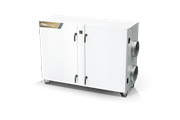 Série eCO Side®
- Gaines, conduits et câbles raccordés latéralement, pour une installation simplifiée
- Échangeur de chaleur rotatif ou à plaques à contre-courant
- Faible niveau de bruit <35 dB à moins de 3 mètres
-
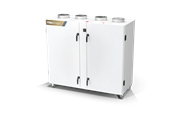 Série eCO TOP®
- Raccordement par le haut
- Échangeur de chaleur rotatif ou à plaques àcontre-courant
- Faible niveau de bruit <35 dB à moins de 3 mètres
-
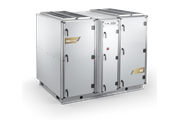 Série eQ Prime Top
- Échangeur de chaleur rotatif à haut rendement énergétique
- Installation Plug and Play
- Maintenance simplifiée grâce à des portes en façade
- Connectée
-
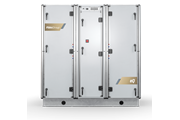 Série eQ Prime Side
- Composants à haut rendement énergétique et régulation intégrée
- Installation plug-and-play
- Délais de livraison courts
- Connectée
Chilled Beams
-
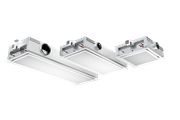 POUTRE DYNAMIQUE iQ STAR LYRA II
- Disponible avec fonction Pi (gestion indépendante de la pression à la demande)
- Haute flexibilité
- Faible niveau sonore
- Installation facile
- Disponible en trois tailles : 600×600 mm, 600×1200 mm et 600x1800 mm (Affleurant au faux-plafond)
-
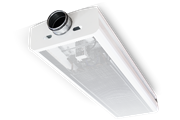 POUTRE DYNAMIQUE APPARENTE iQ STAR NOVA II
- Disponible avec fonction Pi (DCV indépendante de la pression)
- Grande flexibilité
- Installation facile
-
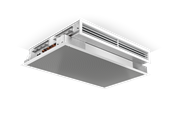 iQ STAR ORION II poutre climatique
- Disponible avec fonction Pi (DCV indépendante de la pression)
- Large gamme de performances
- Facilité d’installation
-
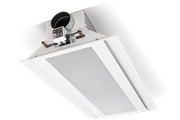 POUTRE DYNAMIQUE iQ STAR WEGA II
- Disponible avec fonction Pi (DCV indépendante de la pression)
- Haute flexibilité
- Installation facile
- Version hygiénique avec batterie peinte, batterie rabattable et accès au plénum pour un nettoyage facile
- Variante pour applications hygiéniques - conforme à la norme VDI 6022
Air Volume Dampers
-
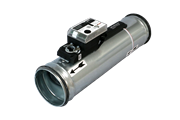 OPTIVENT® ULTRA - ULSA REGISTRE VAV
- Mesure du débit d'air précise
- Aucune perte de charge ou impacte acoustique lors de la mesure du débit d'air
- Plage de débit d'air étendue
- Insensible à la poussière
-
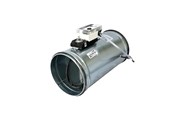 RÉGULATEUR DE PRESSION EMPA
- Pression constante
- Surveillance en temps réel de la pression, avec régulateur compact FW de série
-
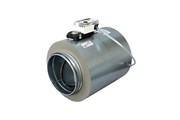 RÉGULATEUR DE PRESSION EMPD
- Pression constante
- Surveillance en temps réel de la pression, avec régulateur compact FW de série
-
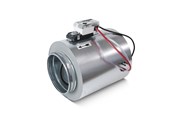 RÉGULATEUR DE DÉBIT CIRCULAIRE EMSD
- Affichage en temps réel du débit d'air
- Pas d'outil supplémentaire nécessaire pour la mise en service
-
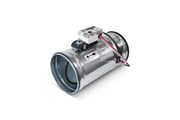 RÉGULATEUR DE DÉBIT CIRCULAIRE EMSS
- Affichage en temps réel du débit d'air
- Pas d'outil supplémentaire nécessaire pour la mise en service
-
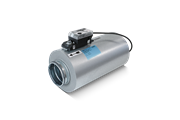 OPTIVENT® ULTRA - ULDA REGISTRE VAV
- Mesure du débit d'air précise
- Aucune de perte de charge ou impacte acoustique lors de la mesure du débit d'air
- Plage de débit d'air étendue
- Insensible à la poussière
-
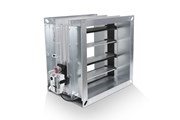 Régulateur de pression rectangulaire ERPA
- Installation et mise en service rapides
- Plage de débit d’air étendue
- Haute précision
-
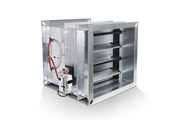 Registre rectangulaire VAV ERVA
- Installation et mise en service rapides
- Plage de débit d’air étendue
- Haute précision
-
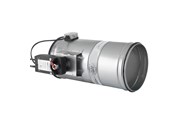 REGISTRE COUPE-FEU ETCE
- Marqué CE
- Servomoteur ou fusible thermique disponible
- Installation facile sur un mur ou au sol
- Joint Veloduct facile à installer et à faible fuite par le conduit
-
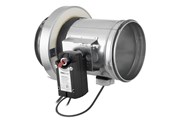 ETPR FIRE DAMPER
- Highest quality of installation with flange
- Easy function testing and integrated microswitches (2 pcs) for open /close indication
- Remote of wall / floor installations in scope of CE-marking
- Latest technology for motorized and fusebox construction
Air Valves
-
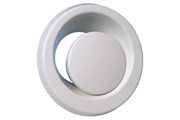 KGEB EXTRACT AIR VALVE
- Easy to adjust
- Low noise level
- Good natural sound attenuation
-
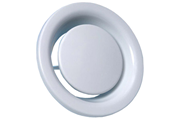 BOUCHE D'EXTRACTION GPDB
- Facile à installer
- Facile à régler
-
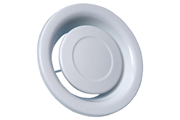 BOUCHE D'EXTRACTION NK
- Installation facile
- Réglage facile
- Large plage d'utilisation
-
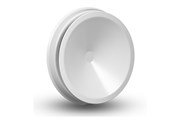 KTS SUPPLY AIR VALVE
- Low noise level
- Easy installation
- Easy direction of the air flow
-
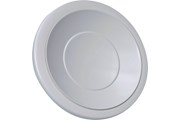 BOUCHE D'INSUFFLATION NE
Structure basse pour les intérieurs modernes
BOUCHE D'INSUFFLATION NE
Structure basse pour les intérieurs modernes -
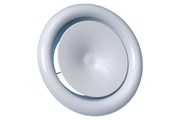 BOUCHE D'AIR NEUF KE
- Fabriquée en tôle d'acier.
- Six tailles.
-
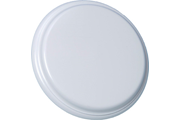 RKT NATURAL VENTILATION AIR VALVE
- Easy installation
- Easy adjustment
- Several sizes
-
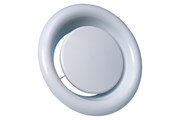 BOUCHE D'EXTRACTION KK
- Installation facile
- Réglage facile
-
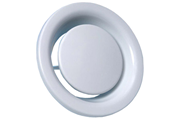 BOUCHE D'EXTRACTION GPDF
- Facile à installer
- Facile à régler
Diffusers
-
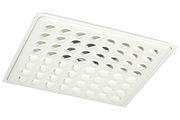 DIFFUSEUR À BUSE DYKH
- Faible niveau sonore
- Installation facile
- Buses réglables
- Modèle à buses carrées
-
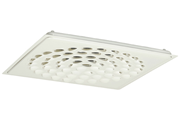 DIFFUSEUR À BUSE DYCH
- Faible niveau sonore
- Installation facile
- Buses réglables
- Modèle de buse circulaire
-
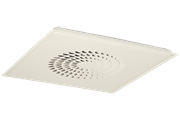 DIFFUSEUR À BUSE DYBH
-
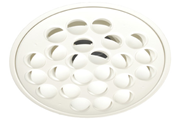 DIFFUSEUR D'AIR À BUSE DYRH
- Faible niveau de bruit
- Installation facile
- Buses réglables
-
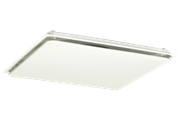 DIFFUSEUR RHOH
- Faible niveau sonore
- Installation simple
- Type de diffusion réglable
-
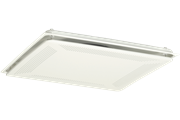 DIFFUSEUR RHKH
- Faible niveau sonore
- Installation simple
- Type de diffusion réglable
-
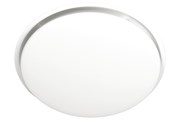 DIFFUSEUR ROPH
- Faible niveau sonore
- Installation simple
- Type de diffusion réglable
-
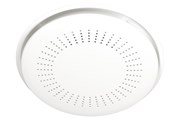 DIFFUSEUR RPPH
- Faible niveau sonore
- Installation simple
- Type de diffusion réglable
-
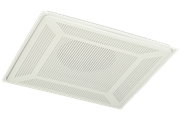 UNITÉ D'EXTRACTION D'AIR HPKH
- Faible niveau sonore
- Facile à installer
- Facile à régler
-
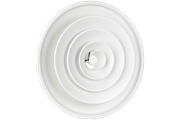 KHAA SUPPLY AIR DIFFUSER
- Low sound level
- Easy to install
-
 DIFFUSEUR À JET HÉLICOÏDAL NWPA
-
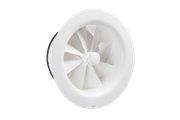 DIFFUSEUR ACTIF ODZA
- Installation facile
- Réglage facile par actionneur manuel, thermostatique ou électrique
-
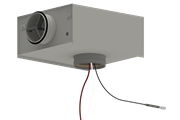 SKKA PLENUM BOX
- Easy to install and adjust
- Includes a ZAEF measurement and adjustment damper that can be easily removed without changing the setting (duct connections 100- 315 mm)
-
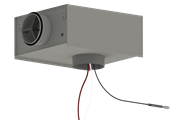 SKKU PLENUM BOX
- Easy to install and adjust
- Includes a ZAEF measurement and adjustment damper that can be easily removed without changing the setting (duct connections 100- 315 mm)